
Super Science Saturday


Super Science Saturday ALL day ONCE a month?
View our 2024 Dates Below!
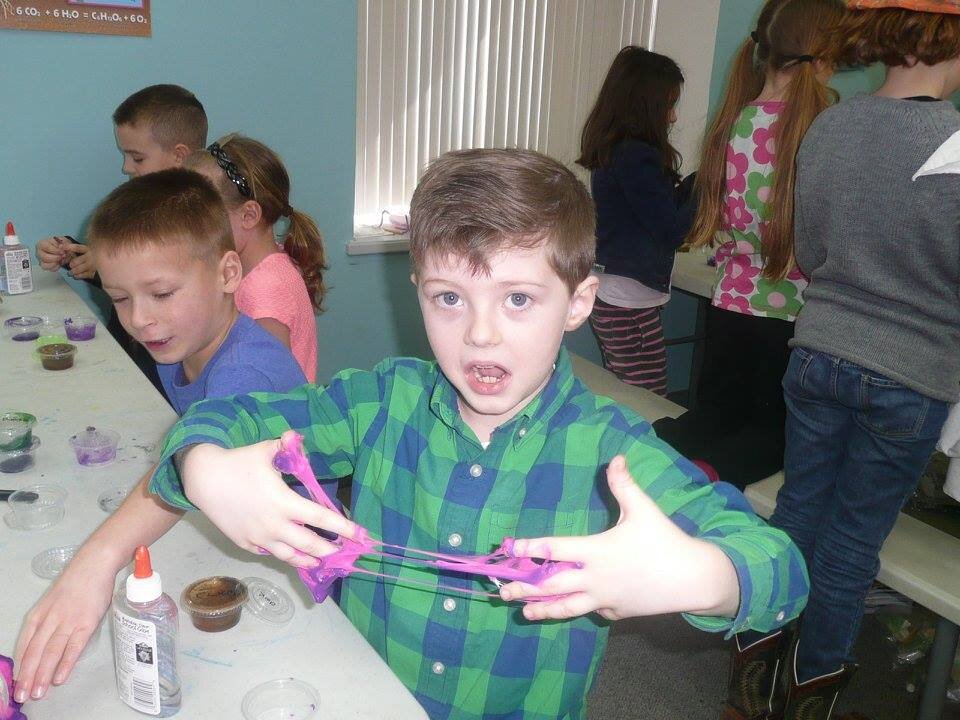
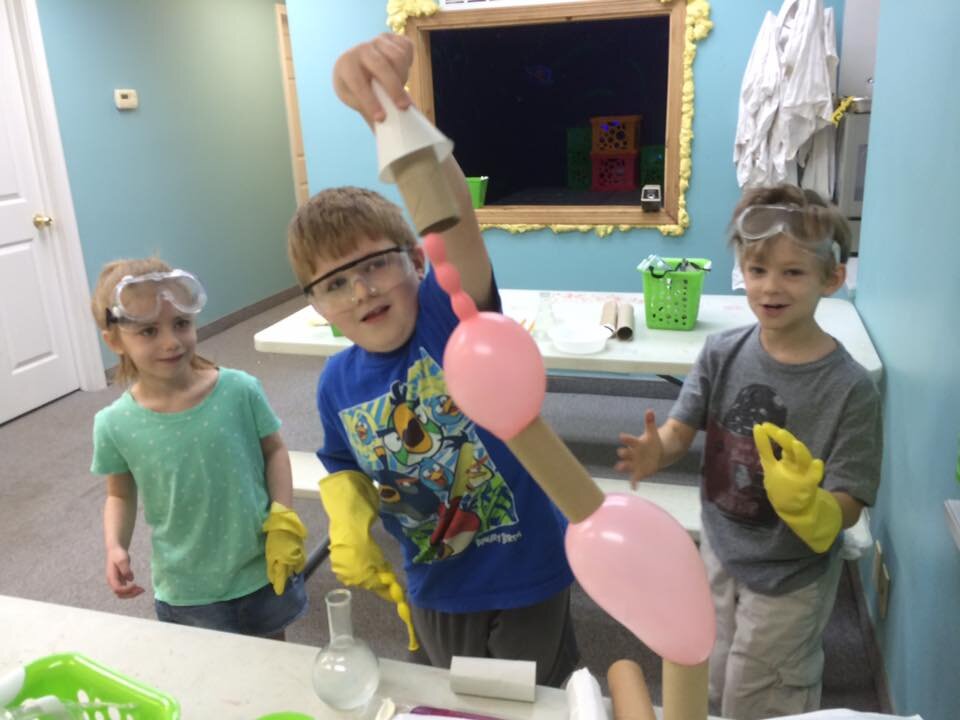
Yes! Super Science Saturday is an all day, once a month, event for the whole family. The day is filled with awesome hands-on learning opportunities that give every participant a full dose of that month's topic. If you want a great inexpensive family day of learning and fun, this is definitely it!
Download the program brochure here.
How does it work?
Each month, a new topic is discovered throughout the day. Using the month's schedule, you can choose what learning opportunities you would like to be a part of. There are still regular guided tours available at the bottom of each hour, as usual, with the last one of the day beginning at 3:30p.m.
Do I need to preregister?
Yes. Super Science Saturday is a pre-registration event. Day-of registrations & walk-ins are not accepted due to preparation and staffing needs. If you would like to register for our upcoming event, please click the link at the bottom of the page.
Do I Have to Stay All Day?
You can decide to come any time, pack a lunch and stay all day, or for only the parts you want to be involved in.
What is the cost?
Each Super Science Saturday is considered one of our Special Events, and the admission price is $15 per person for the whole day. This includes all learning activities, special guests, and our regularly scheduled tours. If you are a member, you receive a discounted price of $10.
*Previously-approved Ohio ACE funding can be used towards this program through June 2024. Ohio ACE is currently not accepting new applications. All OHIO Ace claims must be submitted by July 15th, 2024.
Questions?
Please contact us by email or by telephone at 330-665-DINO (3466).
Are there any other details I should note?
If for some reason Super Science Saturday needs to be cancelled for the day, a notice will be posted on the museum's website, Facebook page, and at the front desk.
Activities are for all ages.
Students in grades K-7th can be dropped off for the day's activities.
All younger children must be supervised at all times.
No food is provided. Students staying all day must bring a packed lunch to be eaten during the supervised lunch break.
Super Science Saturdays are considered Special Events, therefore they are not included in any discount pricing except with membership.
Groups are able to participate in Super Science Saturdays, however, a group leader must call or email kids@akronfossils.com at least one month in advance, so that we are prepared for the extra participants.
Science can be messy and some of our activities may be messy too! Please dress accordingly.
Previously-approved Ohio ACE accounts provide funds for qualifying families to attend afterschool and enrichment programs such as ours!
Ohio ACE is currently NOT accepting new applications.
Please fill out the form below to register for an upcoming Super Science Saturday event.*
* Up-front registration and full payment is required in order to secure your spot. If you have any difficulties registering, please call us at: 330-665-3466.
*If your child is unable to attend the event they are registered for, please call our office at 330-665-3466 to inquire about transferring their registration to another month. Registrants may not automatically attend a different month’s event, as spots for this program are limited and registration fills quickly. Thank you.
If registering more than one child, you’ll be prompted to fill out a new form for each participant. Thank you.